Pull up Search Console right now and there’s a decent chance you’ll see the same odd story we’re seeing across almost every account we manage in 2026: impressions climbing, click-through rate sliding, but the clicks are not growing.
So here’s the question we’re actually getting asked in client calls right now: how is it possible that impressions keep going up while clicks stay flat and if an AI mention doesn’t send anyone to the site, is it even doing anything?
Zero-click searches are still valuable, even if they are not sending clicks to your website; they are still growing your brand awareness. So, yes, it’s definitely doing something. But not automatically, and not just because a report says “mentions: up 40% this quarter.” The mechanics matter more than the panic, so let’s get into them.
What Is a Zero-Click Search Market, Exactly?
A zero-click search market is a search environment where people get the answer to their question directly on the results page or inside of an AI chat window. That answer might live in a Google AI Overview, a featured snippet, a People Also Ask box, a knowledge panel, or a full paragraph from ChatGPT, Gemini, or Perplexity.
Search hasn’t gone away. What’s changed is where the research happens. More of it now happens before the click, or instead of it.
In this article we are exploring how search is changing with AI, how to get your brand to show up there and why not to worry about not seeing an increase in clicks lately.
Getting Impressions But no Clicks?
Because an impression just means your page showed up somewhere on the results page, can be a snippet source, an AI citation, etc. It doesn’t mean the person still needed to visit. A lot of answers people can now get without even visiting a website, 68.01% of all Google searches now end without a single click. Search engines are surfacing your content more often while simultaneously answering more of the question themselves, right there on the page.
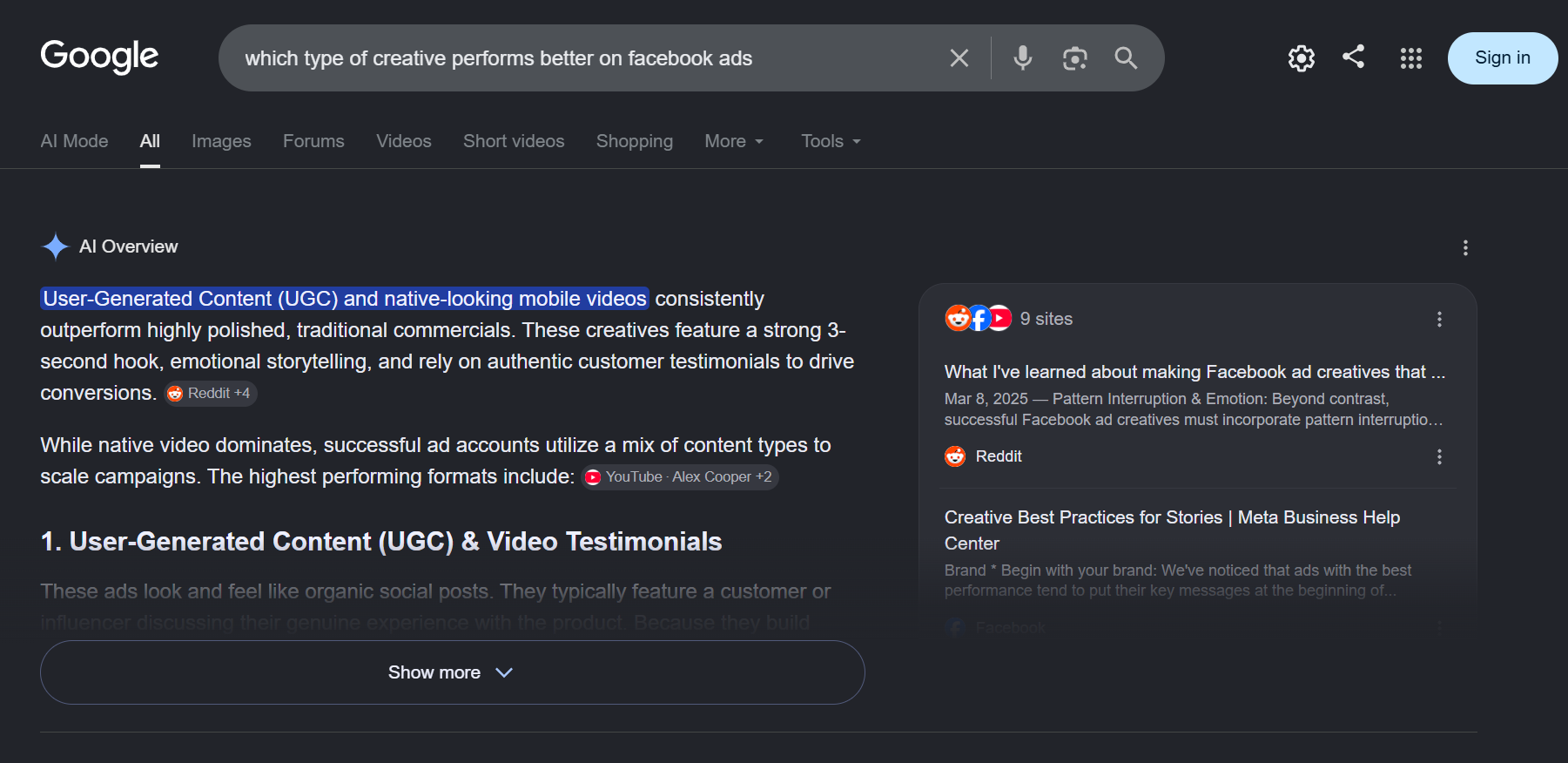
This isn’t a guess. Pew Research Center tracked it directly: when a Google results page included an AI summary, people clicked through to a traditional link only about 8% of the time. When there was no AI summary, that number nearly doubled to 15%.
A simple, informational question like “what is AEO,” “how does X work” is easy for an AI Overview to fully answer. A complex comparison, a pricing question, a “which vendor should I use” decision is much harder to resolve without a click.
What we are also seeing among our clients is that among the queries that were focused on a definition or basic informational ones are seeing more of a drop-off. So one more recommendation for you is to check first which queries are losing clicks, if you are losing clicks on real buying intent, then yes, it could make more sense to look into that.
Is an AI Mention Worth Anything If Nobody Clicks
Yes, but let’s explore your options here. A mention that has your brand name in an answer with a useful context, differentiation, and a connection to a commercially relevant question is basically the AEO equivalent of ranking #1 for an important brand keyword.
An unuseful brand mention is when an AI engine includes your brand name in an answer, but the context provides zero business value, hurts your reputation, or hides you in a sea of noise.
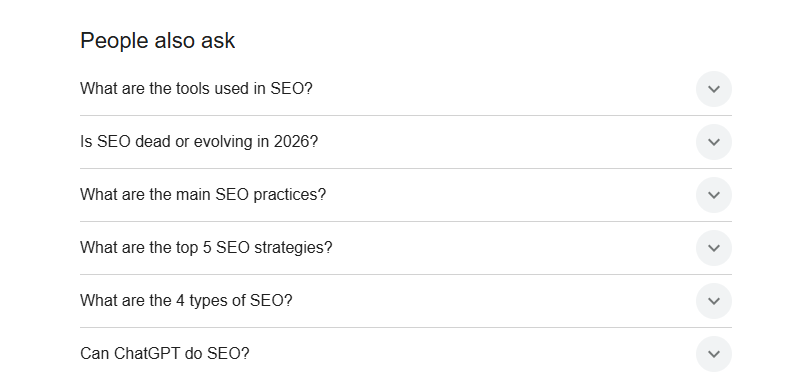
We’ve actually run this exact playbook before, just under a different name. A few years ago, every SEO team went through the same anxiety spiral over People Also Ask boxes: “we’re getting all this PAA visibility and none of it shows up as traffic. What’s the point?” The agencies that won that round weren’t the ones chasing every PAA box they could rank in. They were the ones who used that visibility to build real topical authority, then let that authority pull people toward the pages that actually converted. AEO right now is the same game with a bigger surface area.
Not every mention pulls its weight the same way, and it’s worth being honest about that instead of celebrating every citation equally:
- Some visibility just sits there. Accurate, harmless, commercially inert. Nobody’s decision changes because of it.
- Some visibility plants a seed. The buyer doesn’t click today, but three weeks later they search your company by name, drop you into a vendor shortlist, or mention on a sales call, “I actually saw you come up when I asked ChatGPT about this.”
- Some visibility sends an actual click usually from someone who already described their problem to an AI, got a partial answer, and decided the stakes were high enough to go find the real source.
The mistake a lot of AEO reporting is making right now is the exact mistake old-school SEO reporting used to make with rankings: treating all visibility as inherently good, regardless of whether anyone with a wallet was on the other end.
What Does “AEO” Mean?
AEO stands for Answer Engine Optimization, shaping your content so that AI systems choose your brand, your data, or your framing when they build an answer to someone’s question. It’s the same instinct as SEO, aimed at a different kind of results page.
Good AEO optimization isn’t about tricking a chatbot into saying your name. It’s about giving answer engines an actual reason to associate your brand with a specific, valuable question the same way good SEO used to be about giving Google a reason to trust you for a specific, valuable keyword. Most of what currently gets labeled “AI search optimization” is just old SEO content with a new acronym stapled on top. The brands actually pulling ahead treat answer engines as a distinct audience, with their own preference for original data, clearly stated expertise, and content that can be lifted cleanly into a summary without losing its meaning.
What We’re Actually Seeing With Clients
A few patterns keep repeating across the accounts we run this kind of work for.
Mentions on broad, definitional questions (“what is X,” “how does Y work”) almost never show up downstream in the pipeline. Mentions on comparison and evaluation questions that a buyer asks two weeks before signing something show up constantly, just not in the channel you’d expect. The single highest-leverage change some clients this year implemented was adding one question to the contact form and the sales call script: “Where did you first hear about us?” Analytics keeps missing this influence entirely; a five-second answer on a form doesn’t.
We’re also not the only ones saying this out loud. Forbes has been describing zero-click as something that’s genuinely turning marketing on its head, and Bain’s read is even blunter: their recent piece is literally titled “Goodbye Clicks, Hello AI”. Both are making the same point we keep making internally: the old funnel math stops working cleanly when the first several interactions someone has with your brand might happen entirely inside somebody else’s chat window.
How Do You Measure Any of This?
Skip the single AEO score. Measure in layers instead.
Visibility tells you whether answer engines know you exist: mentions, citations, share of voice against competitors, whether you’re framed as a recommendation or just a passing reference.
Engagement tells you whether anyone kept going after the mention: AI referral traffic (patchy, but directionally useful), branded search growth, direct traffic trends, return visits.
Commercial impact tells you whether any of it mattered: qualified leads tied to AI referrals, assisted conversions, sales conversations that mention ChatGPT or Google’s AI answers, and yes, that one intake-form question doing more work than any dashboard.
Skipping straight to layer one and calling it a win is how the industry ends up repeating the exact mistake it made with early SEO reporting.
How Do You Win Zero Click Search?
Three things, in order.
First, target questions that lead somewhere. Being cited for “what is AEO” builds awareness. Being cited for “how should a B2B company measure AEO performance” builds a direct line to intent. Chase what works for your business.
Second, give answer engines something distinctive to say about you, something unique about your brand, some useful industry insight. Generic content gets generic mentions. Original research, real client-informed observations, a clearly stated point of view, that’s what gets cited for something, not just cited.
Third, build a real next step for the people who do click. AEO gets someone to your door. It doesn’t walk them inside. A high-intent visitor landing on a generic, dead-end article is a wasted click, regardless of how impressive the AI mention that sent them there was.
FAQs
Why are impressions growing while clicks stay flat?
Because search engines are surfacing your content more often while answering more of the question themselves, directly on the results page, especially for simple, informational queries that never really needed a website visit.
Are AI mentions worth anything without a click?
Yes, when they’re tied to a commercially relevant question and position your brand clearly but not automatically, and not just because a dashboard counted another mention.
Final Thoughts
The goal was never to rack up mentions. It’s to make sure that when someone finally asks the question that matters the one right before they buy, your brand has an earned, credible reason to be part of the answer.
If you want a second pair of eyes on what your own zero-click and AEO numbers are actually telling you, that’s a conversation we’re always up for.