For the first time, the AI tool your customers open hundreds of millions of times a week is selling ad space and most brands haven’t noticed yet. For brands, ChatGPT ads are a new ad platform and an opportunity to reach new customers, and get ahead while your competitors still don’t realize it exists. Below is a grounded look at what they are, what they cost, how to start running them, and how Loop, backed by years of experience in digital marketing, can help you make the most of the channel.
Here’s what we’ll cover:
- What do ChatGPT ads look like?
- Who sees ChatGPT ads?
- How much do ChatGPT ads cost?
- How does ChatGPT decide which ads to show?
- How do ChatGPT ad auctions work?
- How do you launch ChatGPT ads?
- Who should advertise on ChatGPT?
- Is ChatGPT advertising worth it?
- FAQs
What do ChatGPT ads look like?
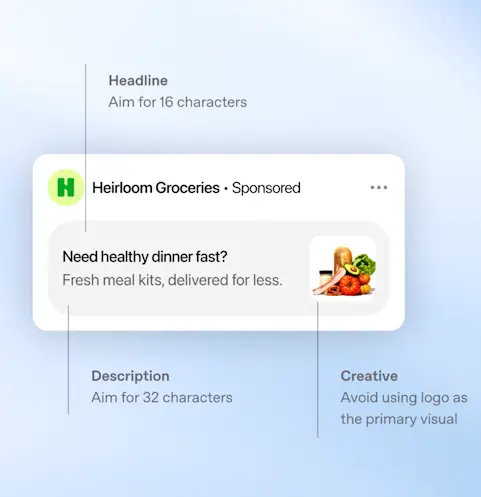
ChatGPT ads show up as a sponsored card beneath a user’s answer never woven into the response itself. Each card typically includes an advertiser name, a logo, a headline, a short line of ad copy, and an image.
Source:OpenAI
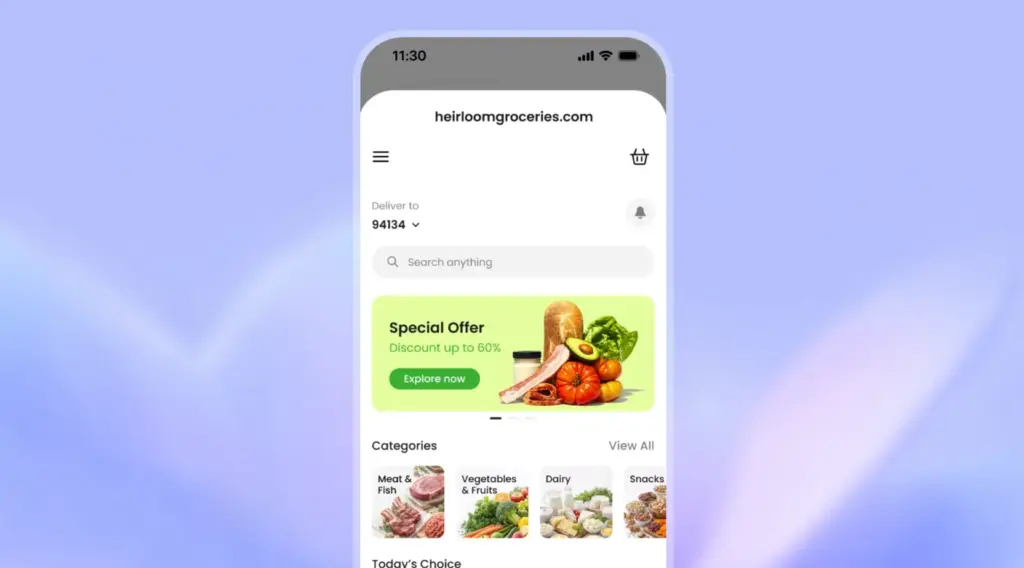
Click it, and you land on the advertiser’s page.
Source:OpenAI
A few things worth knowing about the format:
Labeling: Every ad carries a clear “Sponsored” tag, so users know it’s a paid placement.
Separation: The ad stays distinct from ChatGPT’s organic answer OpenAI says ads don’t influence the response.
Creative Limits: The image is small. Your headline and offer do most of the work, so write concise.
Who sees ChatGPT ads?
Not everyone sees ChatGPT ads, and exactly who does shapes how you plan. Free and Go plans are currently active in the United States, Canada, Australia, and New Zealand. Plus, Pro, and Business subscribers don’t see ads at all, and ads aren’t shown to anyone ChatGPT predicts to be under 18.
In practice, that means a wide audience of people still exploring and comparing their options, not the dedicated, paying subscribers who’ve upgraded to an ad-free plan. If your goal is reach and discovery, that audience is exactly who you want your brand in front of.
How much do ChatGPT ads cost?
ChatGPT ads run on two models: cost per thousand impressions (CPM) and cost per click (CPC). For clicks, OpenAI recommends a starting max bid of $3–$5. For impressions, the default max bid is $60 CPM, though early testers have reported observed CPMs settling toward the mid-$20s as the auction matured.
Match the model to your goal
- Pick the Reach objective for the impression-based (CPM) model.
- Pick the Clicks objective for the click-based (CPC) model.
New ad platforms are usually pricey when they first launch, because there’s limited space and lots of demand. ChatGPT is no different. Start with a small budget to test what works, and don’t expect a steady return right away costs should come down as the platform grows.
How do ChatGPT ad auctions work?
Pricing is decided by auction, and it’s relevance-weighted not a highest-bidder-wins setup. A concise, more relevant ad on a smaller bid can beat a lazy ad with a bigger budget. In practice, that rewards brands that understand the problem their customer is trying to solve, and it’s why creative quality matters more here than raw spend.
How does ChatGPT decide which ads to show?
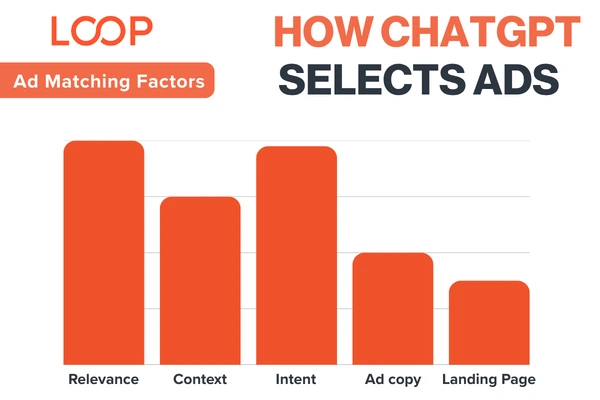
ChatGPT’s ad system picks ads based on the relevance, context, and intent behind a user’s query. It then weighs your context hints, your ad title and copy, and your landing page to judge whether your ad is a good match.
Source: Loop
Context hints are exactly what they sound like: guidance you provide so ChatGPT understands which conversations, topics, and keywords your ad belongs to. They aren’t exact-match keywords; they describe the situations and questions your best customers bring to ChatGPT. Write them specific and intent-rich. Broad hints feed the platform; specific ones feed you.
How do you launch ChatGPT ads?
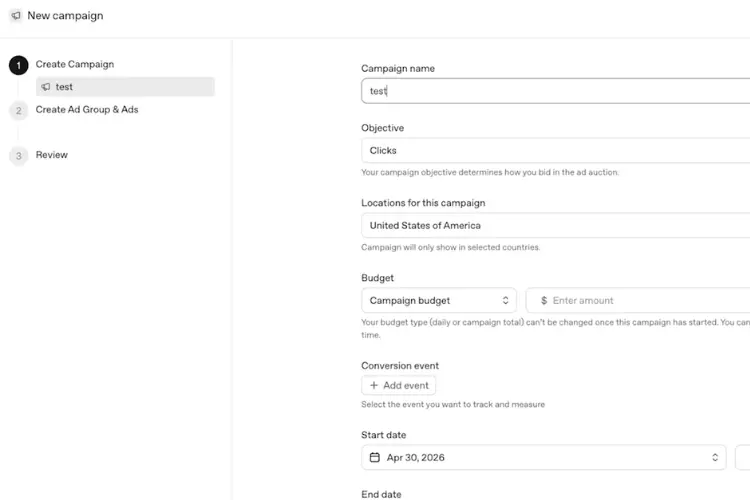
Getting in is refreshingly simple compared with the early Google or Meta days. After you sign up at OpenAI Ads follow these steps:
- Complete onboarding. Get set up in Ads Manager Beta and verify your account.
- Finish account setup. Add your billing profile, payment method, advertiser name, and logo.
- Build your campaign. Set your objective, budget, and goals. Use guided creation to walk through each step, or bulk upload to manage campaigns at scale.
- Launch and measure. Go live, then use the platform’s reporting to track results and optimize.
Source:OpenAI
Who should advertise on ChatGPT?
The best fit is any brand that sells something people research before they buy such as software, services, finance, travel, health, or considered consumer products. A lot of that research now happens inside ChatGPT, so your ad shows up while someone is actively weighing options, not just scrolling.
ChatGPT’s user base skews young; in OpenAI’s own usage study, nearly half of all messages came from people aged 18–25 but it reaches plenty of older users too, so age alone shouldn’t rule you out. The real test is simple: if your customers ask questions before they buy, they’re probably asking them here.
Is ChatGPT advertising worth it?
ChatGPT advertising is worth it if your goal is brand exposure and recognition inside ChatGPT. It’s still early, and the tracking tools are basic for now. But ChatGPT ads put you in front of the growing number of people who research and buy through AI.
The deeper shift is that intent is overtaking demographics. For years, marketers targeted who someone is whereas ChatGPT ads target what someone is trying to do at the exact moment of consideration. That’s also why Answer Engine Optimization (AEO) is becoming its own discipline being the recommended answer inside AI is fast becoming as valuable as the ad beside it.
How Loop Helps You Win This Channel
ChatGPT ads are new enough that most brands haven’t figured out how to capture the opportunity yet. That’s where Loop comes in with years of experience in digital advertising and scaling campaigns, we help brands move early and turn this channel into real growth from the start.
- Creative that carries the click. With a tiny image and no room to hide behind production value, your hook and offer are everything. Loop builds and tests creative fast trying different hooks, angles, and copy to find what works so the ads you pay for actually convert.
- Being the answer, not just the ad. Our SEO + AI Discoverability tools helps your brand surface, and get recommended inside ChatGPT, Perplexity, and AI Overviews so you show up in the moment of thought even when you’re not paying for placement.
- Landing pages proven before you build them. A premium click on a weak page is wasted money. We test landing-page concepts against real traffic first, then build the version already proven to convert.
Ready to get ahead on ChatGPT ads? → Talk to Loop
Frequently Asked Questions About ChatGPT Advertising
Are ChatGPT ads self-serve?
Yes. As of the May 5, 2026 Ads Manager Beta launch, you can create, launch, and manage campaigns yourself, with no minimum spend.
How do I track ChatGPT ads performance?
Through Ads Manager Beta, which reports impressions, clicks, spend, click-through rate, average CPC, average CPM, and conversions. You can also add UTM parameters to your landing-page URLs to track performance in your own analytics tool.
Who sees my ads?
Free and Go users in the US, Canada, Australia, and New Zealand. Plus, Pro, and Business subscribers are ad-free, and ads don’t serve users under 18.
Why should I run ChatGPT ads now?
Three reasons: competition is still low while most brands are behind on AI; targeting is context-based, so your ads are more relevant; and you reach people at the exact moment they’re researching and weighing options.
Do ads change ChatGPT’s answers?
No. OpenAI keeps the ad layer separate from the answer engine ChatGPT answers first, and a labeled sponsored card appears below.
You Might Also Like
More from the Loop blog on AI search, discoverability, and where performance marketing is heading: